Define the obstacle precisely
Avoiding stairs, avoiding escalators and needing level boarding are different requirements. A lift may reach a platform while a gap remains at the train door. An interchange might be accessible between one pair of lines but not another.
Use the operator's detailed accessibility guide. TfL, for example, distinguishes station access from boarding arrangements and advises checking disruptions. Write down the complete route you can use, including the relevant entrance, rather than relying on a general station description.
Inspect the interchange
A trip with one transfer can be more tiring than a longer direct bus. Compare passage lengths, the number of lifts and whether you must leave the paid area. If staff assistance or a boarding ramp is needed, use the operator's assistance process and confirm advance arrangements.
Check your destination as carefully as your departure. The usable exit may be across a large road or several blocks from an attraction. Map the final section, including crossings and gradients. A step-free station does not guarantee an easy path to every nearby address.
Recheck on the day
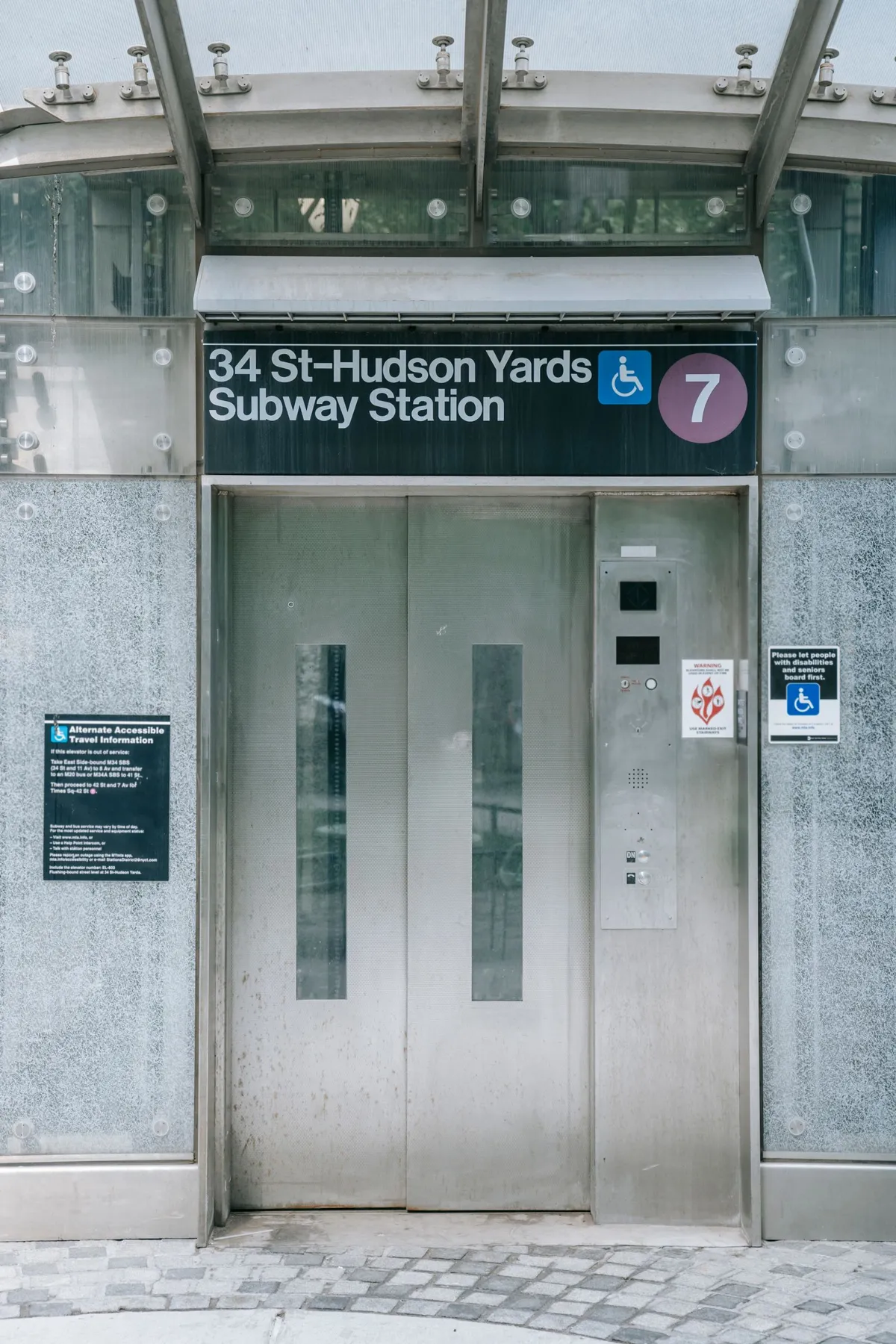
Lift outages and construction can invalidate an otherwise suitable route. Consult live access information before leaving and before a late return if you depend on one lift. Save a second route using a different access point or mode.
If an outage appears while traveling, ask staff for an alternative before taking an unfamiliar staircase or escalator. A generic mapping app may reroute by distance without understanding the access constraint that shaped your plan.
Allow room for your pace
Avoid reaching a timed attraction immediately after several uncertain transfers. Keep tickets and assistance confirmations accessible. With a companion, agree where to wait if a lift cannot take everyone together, without separating anyone who needs support.
Photographs, dimensions and an official access statement tell you more than the word accessible. Ask specific questions about the difficult part of the journey. This preparation cannot promise flawless operations, but it gives you a workable route and a way to respond when conditions change.