Choose a useful transport anchor
Look for a lodging location near the routes you will use repeatedly. A major station can be helpful, but a smaller stop with a direct line to your daily destinations may work better. Check the walking route from that stop to the door, particularly when carrying luggage.
Map the airport or rail arrival and the departure journey separately. A location that suits afternoon sightseeing might be awkward before the first morning service. Include a realistic early-departure alternative in the budget rather than assuming the daytime network runs around the clock.
Build days in clusters
Put nearby sights, meals and walks together. Crossing the city once can be reasonable; doing it repeatedly because every reservation is in a different district creates unnecessary travel. Use the network diagram to identify direct links, then the street map to see what can be walked.
Keep one outdoor cluster and one indoor option for changeable weather. This is more flexible than purchasing several timed tickets that require precise connections. If the day becomes tiring, a short transit ride back to the base should be easy to identify.
Examine the excursion before adding it
An out-of-town attraction may have a railway connection but still be difficult to reach from the destination station. Verify that final link and the return service. If the only workable arrangement is a long taxi ride, compare it with a closer alternative or a properly organized transfer.
Do not rent a car for the whole week merely because one afternoon might need it. Equally, do not force a distant rural itinerary into a city-transit plan. The shape of the trip should decide the transport, not the other way around.
Carry a manageable day
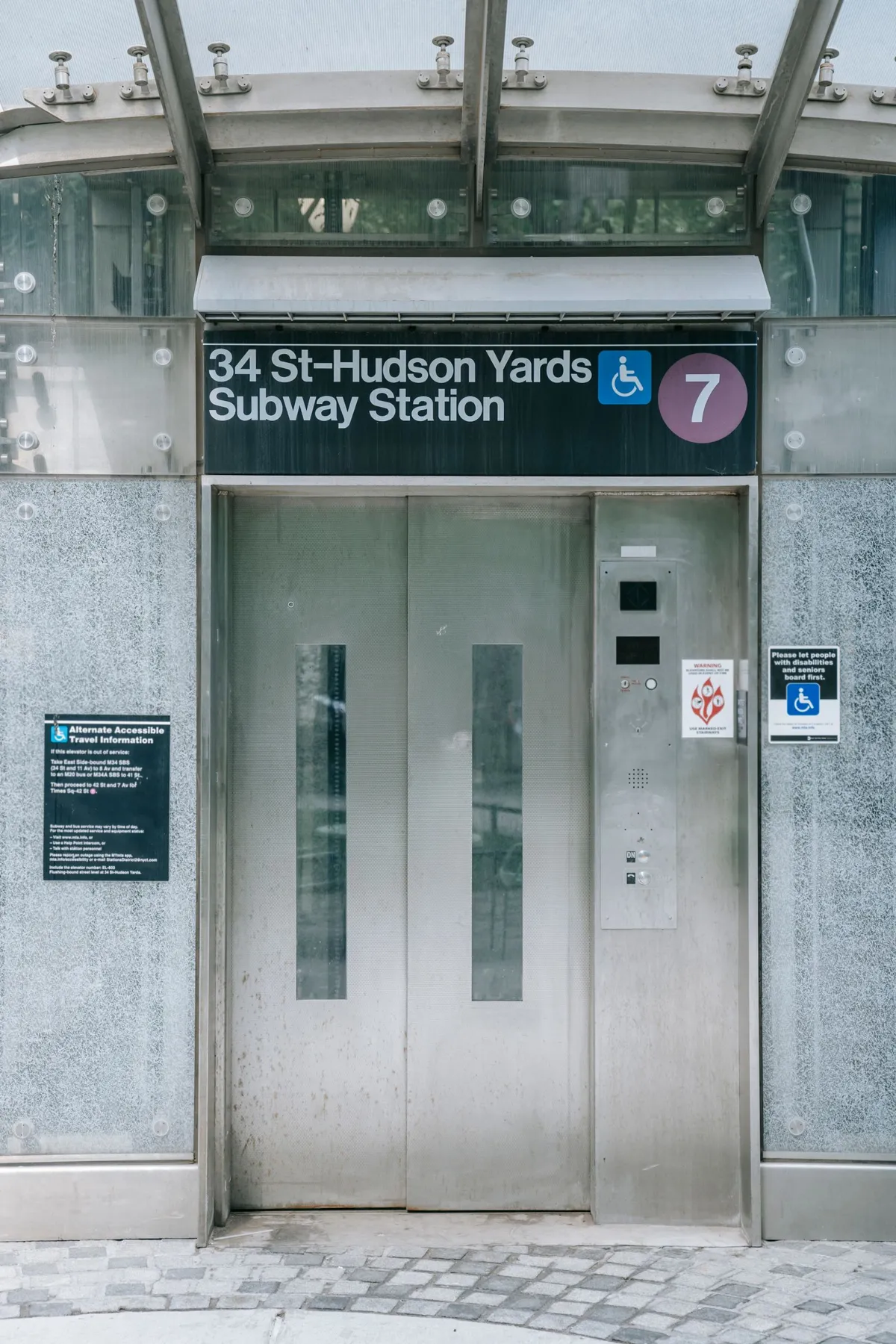
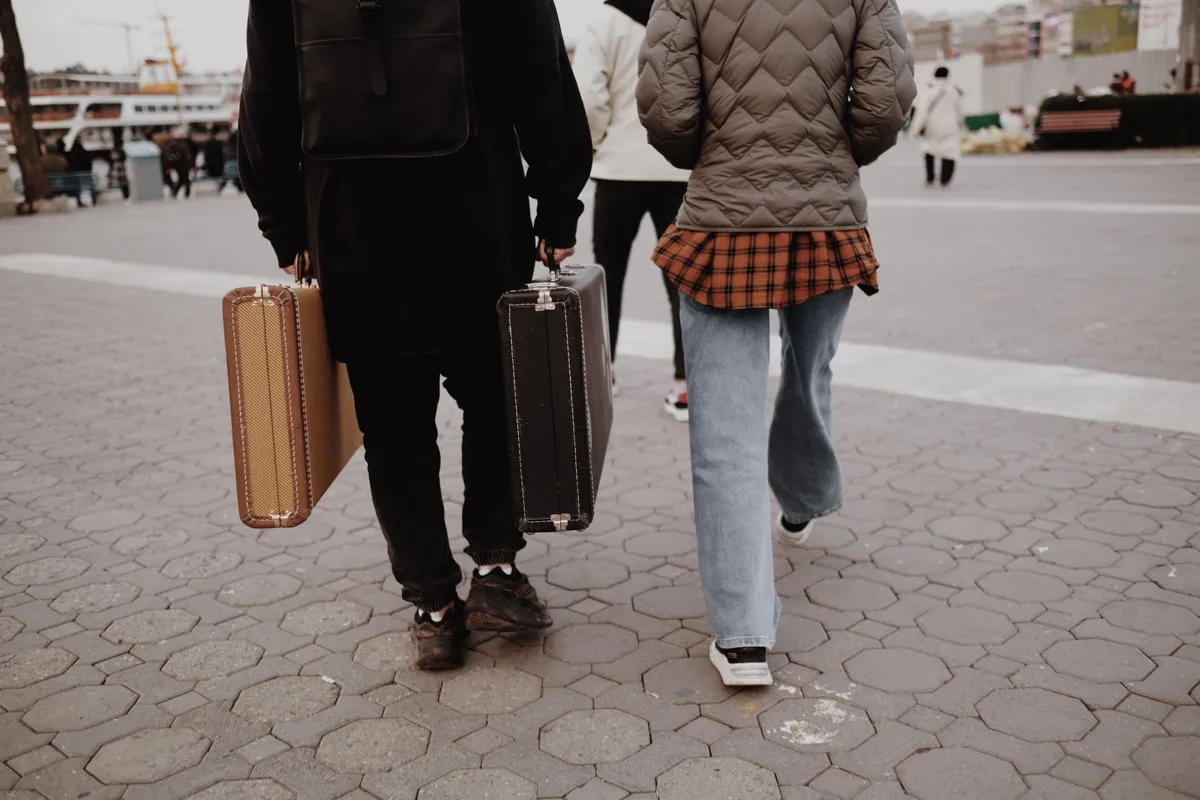
Pack so that you can move between lodging, stations and attractions without repeatedly seeking storage. A bag you can lift and keep close makes crowded transit simpler. Check access information if stairs, long corridors or platform gaps affect you.
Save the local operator's map and service notices. Lisbon's metro site, for example, provides both network and accessibility diagrams; equivalent resources elsewhere can reveal more than a hotel listing's phrase near public transport. A successful car-free trip uses those details to reduce daily decisions, leaving time for the city itself.