Start with the airport where screening happens
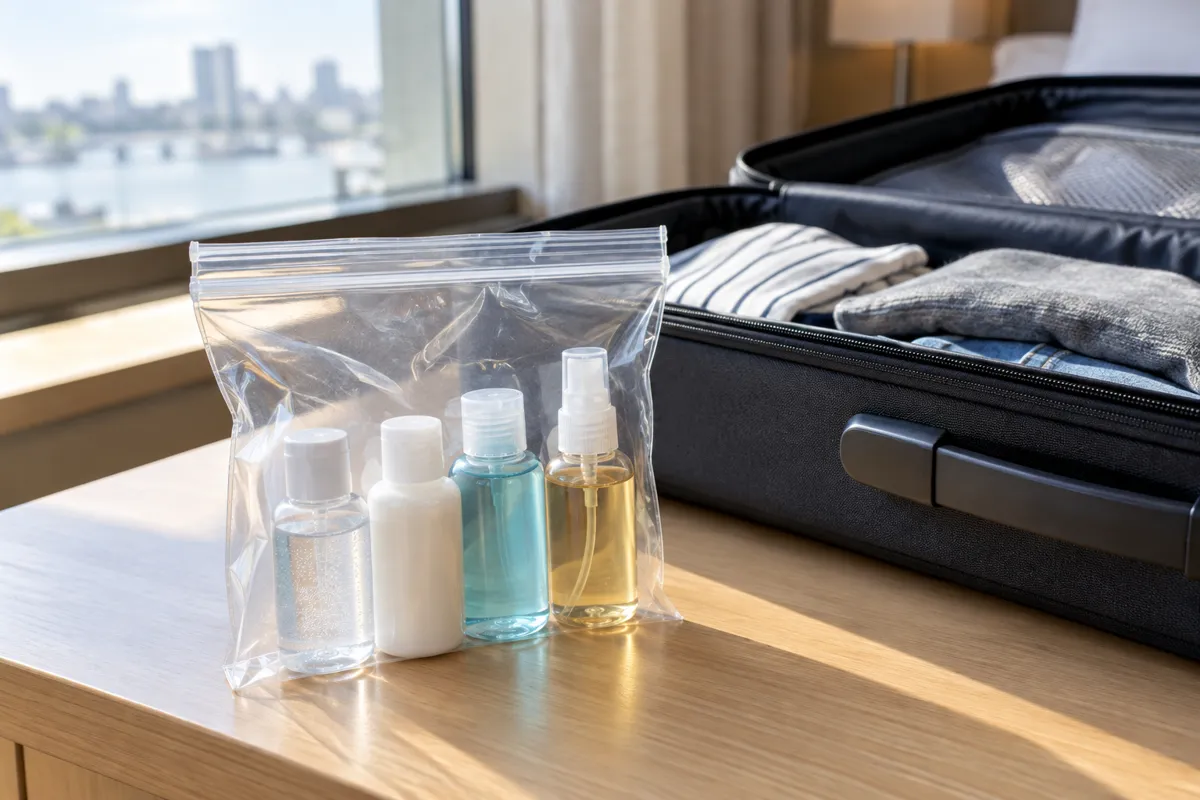
For US departures, consult TSA's current guidance. Its standard carry-on liquids rule permits containers of 3.4 ounces, or 100 milliliters, within the specified quart-size bag arrangement. The size of the container matters, not simply how little liquid remains inside a larger bottle. Check the official page again before traveling because procedures can change.
International airports may use different arrangements. UK government guidance, for example, directs travelers to check airport rules and notes that many airports retain the 100-milliliter restriction. Do not assume equipment seen at one terminal establishes the rules for another airport or the journey home.
Count gels and pastes as well
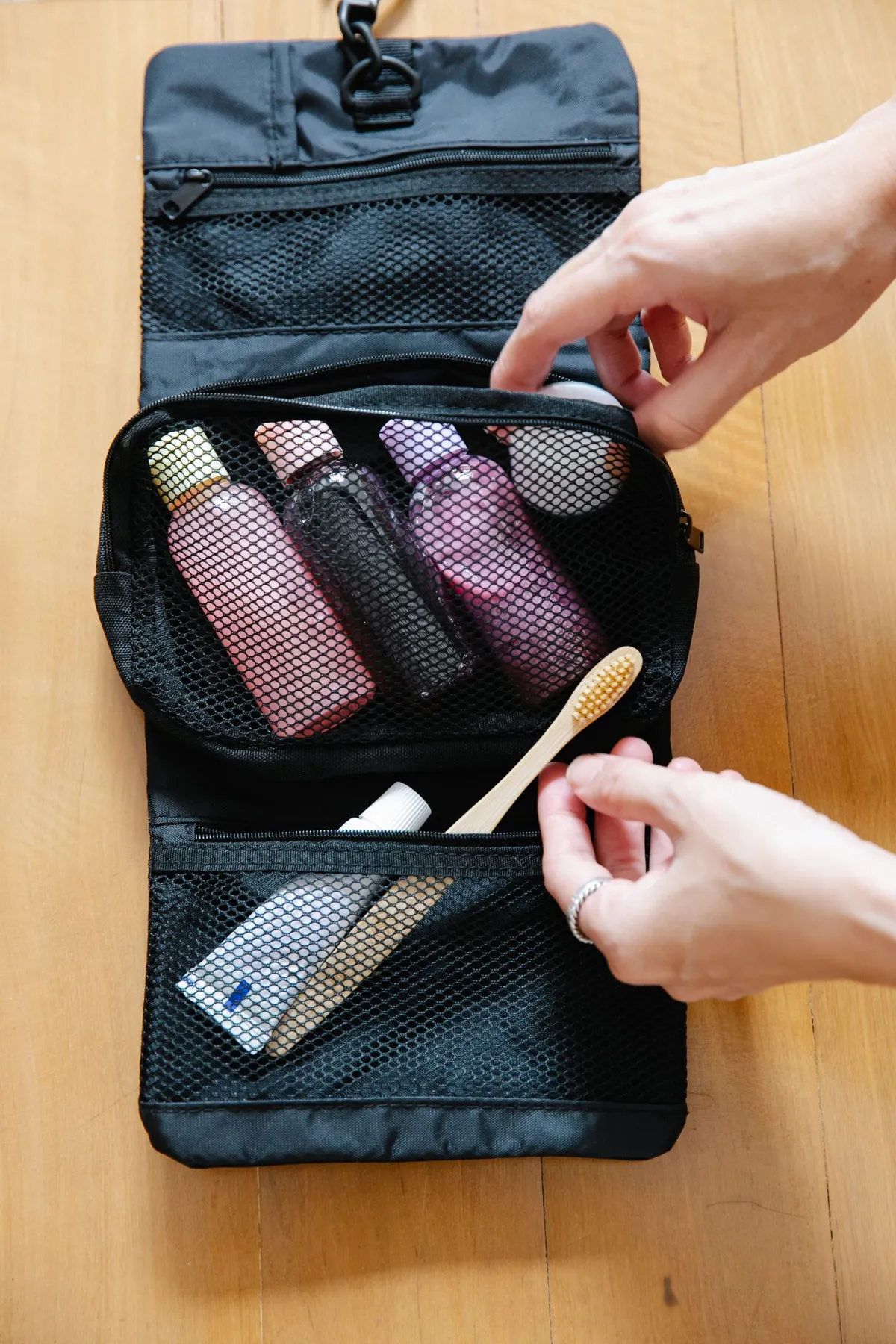
Review toiletries one by one rather than checking only drinks. Creams, gels, pastes and certain foods can fall within liquid screening rules. Use the authority's item guidance for anything uncertain. A product being sold in a travel aisle does not establish that its container or your overall packing arrangement is acceptable.
Exceptions may apply to medically necessary liquids and other specified needs. Read the relevant procedure before departure and allow time for screening. Do not reduce or alter necessary medication merely to fit an ordinary toiletry bag; get appropriate advice and follow official transport requirements for it.
Pack for a possible second screening
A connection can involve security again, particularly when the route or airport layout requires leaving the secure area. Purchases made after the first checkpoint are not automatically exempt everywhere afterward. Check the rules for sealed airport purchases and any documentation required rather than assuming a receipt alone solves the issue.
Keep the liquids collection reachable so you can follow the instructions given at the checkpoint without unloading the entire suitcase. Empty a reusable bottle when required and fill it later from a suitable source. Before the return trip, repeat the check using the actual departure airport's guidance. Taking a few minutes to confirm the whole route is more reliable than following an old packing list that treats every airport as the same.