Build a realistic day's load
Set out a bottle, rain layer, phone battery, sunglasses and any camera or other equipment you plan to take. Add the items required for your particular day, not every possible emergency. A pack that looks compact in a shop can become uncomfortable when an oversized bottle and a heavy camera occupy the same compartment.
Leave room for the layer you are wearing in the morning. If the bag only closes while you have the jacket on, it will be less useful by lunchtime. At the same time, avoid choosing a huge pack solely for occasional shopping. A folded tote can handle a small purchase when you are on the way back to your room.
Fit it while wearing your usual clothes
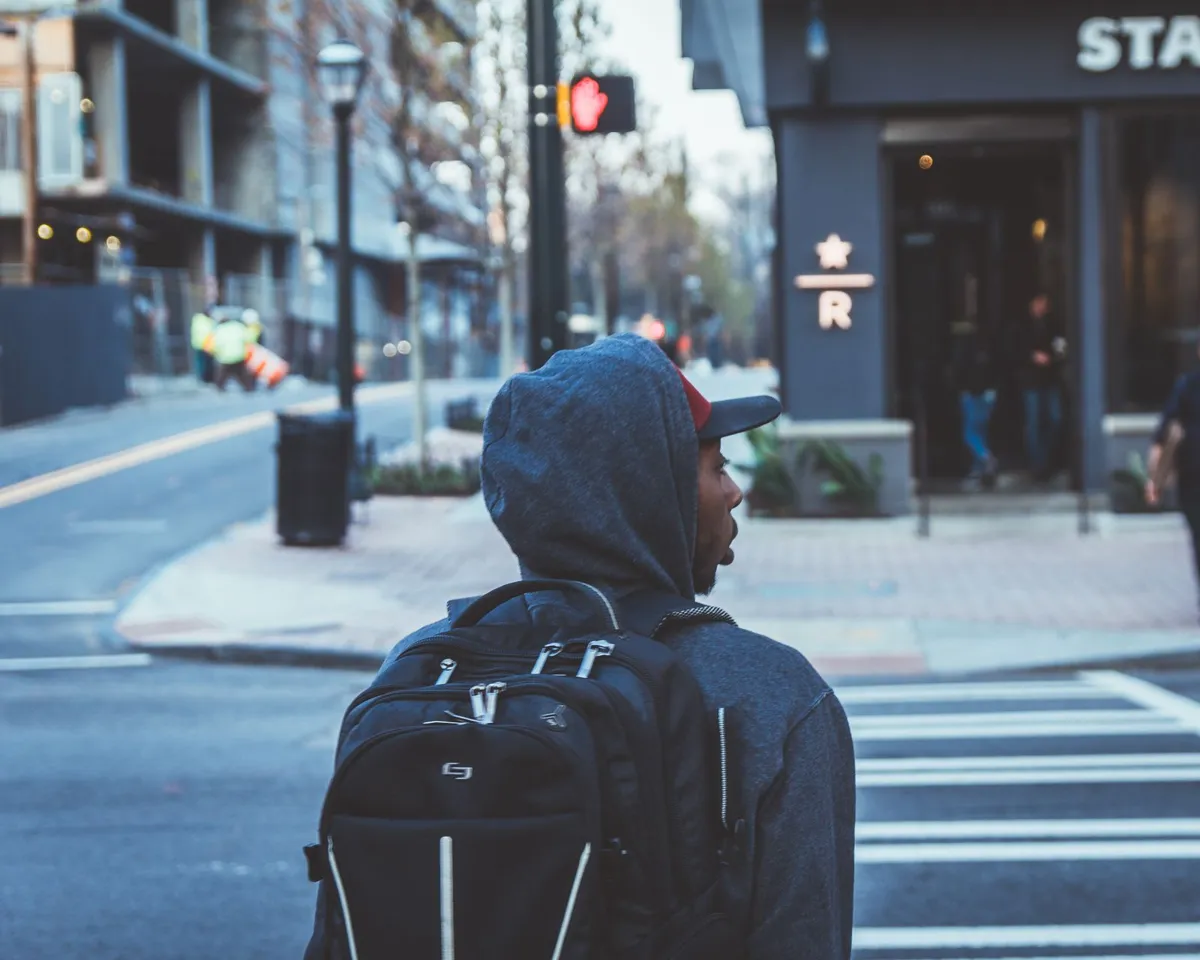
Load the pack before trying it on. Check the straps over the jacket or shirt you expect to wear, and walk with your arms moving naturally. Notice whether the base bumps against your lower back and whether the straps slide toward your shoulders' edges. A sternum strap may stabilize a suitable harness but cannot repair an unsuitable shape.
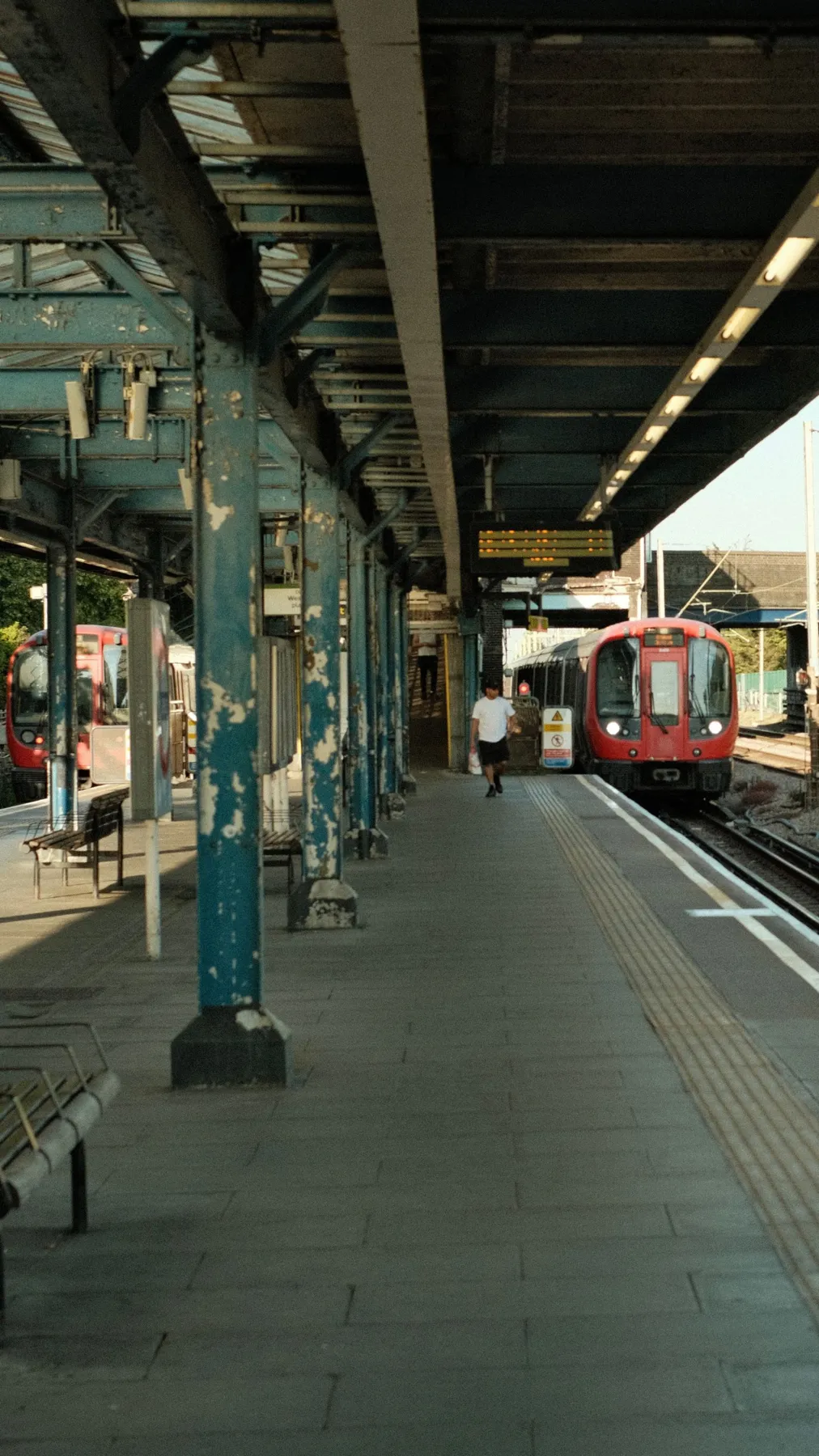
Consider how the bag behaves on public transportation. A narrow profile is easier to handle in a crowded carriage. Take it off your back when needed and hold it where you can see it, without blocking the aisle. Loose dangling straps are worth tidying before the trip.
Access and venue limits
Put frequently used items in a consistent place, with documents in a zipped compartment rather than an open bottle pocket. Check that you can reach them while holding the bag in front of you. Do not treat a concealed zipper or an anti-theft label as a guarantee against loss; awareness and sensible handling still matter.
Museums and other attractions may restrict backpacks or require them to be checked. Look at the official rules for planned visits, especially if you are carrying equipment you cannot leave behind. A small, simple pack is easier to manage, but it does not override a venue's policy. Decide whether the day's load truly needs a backpack before taking one out every morning.