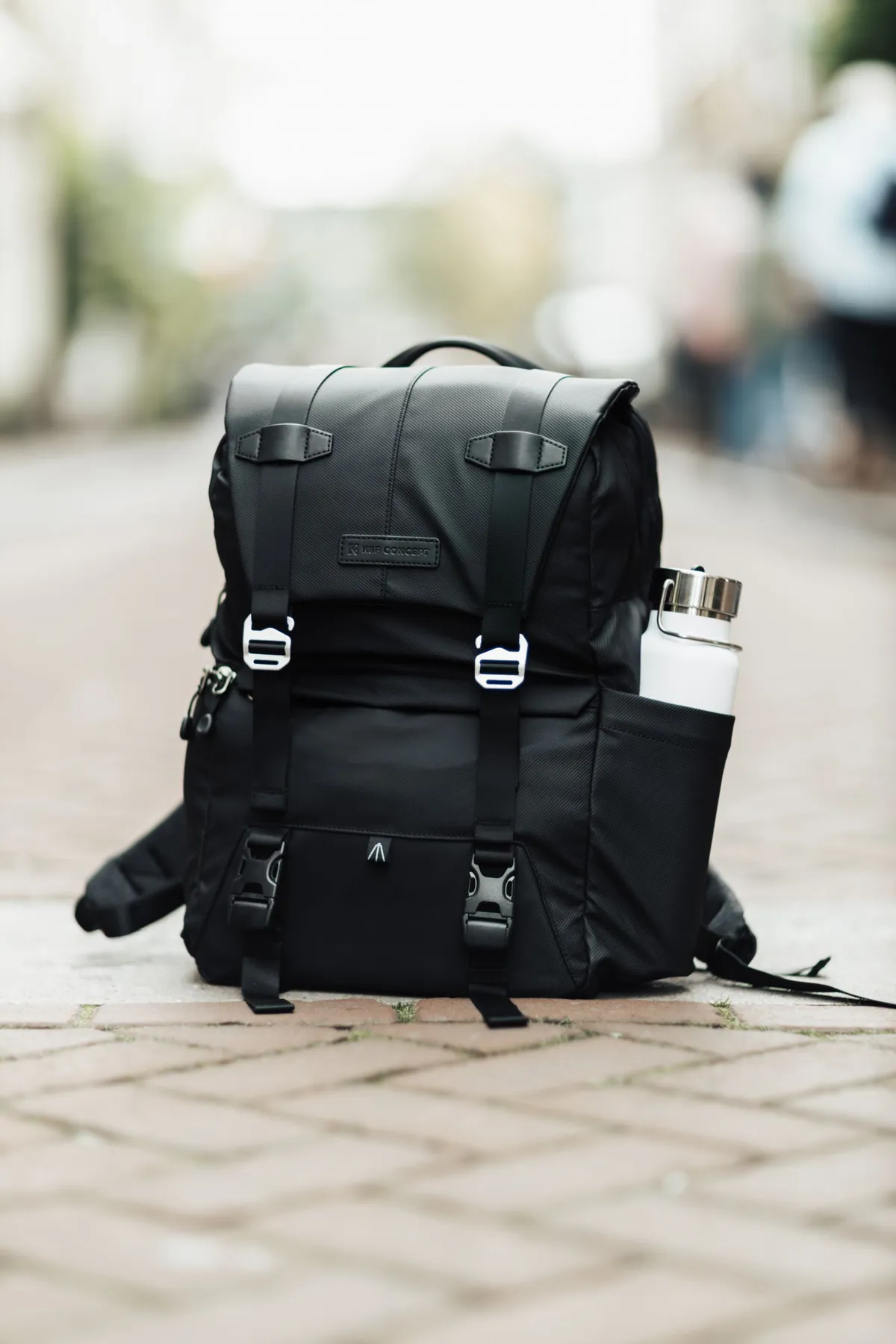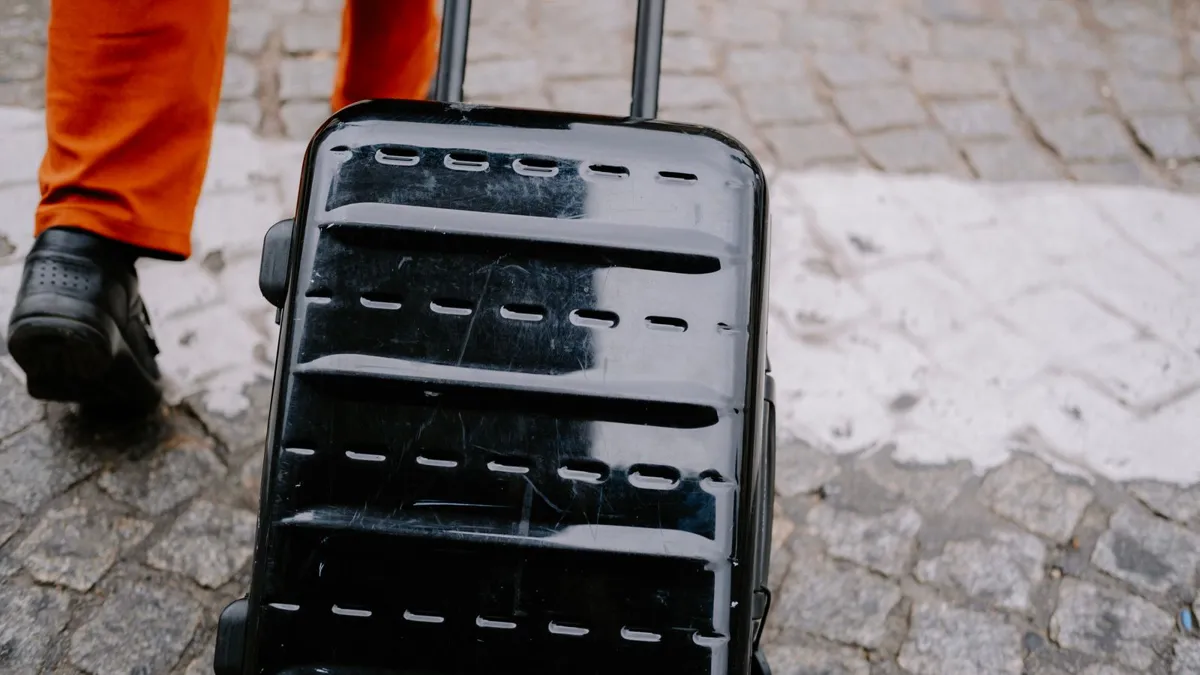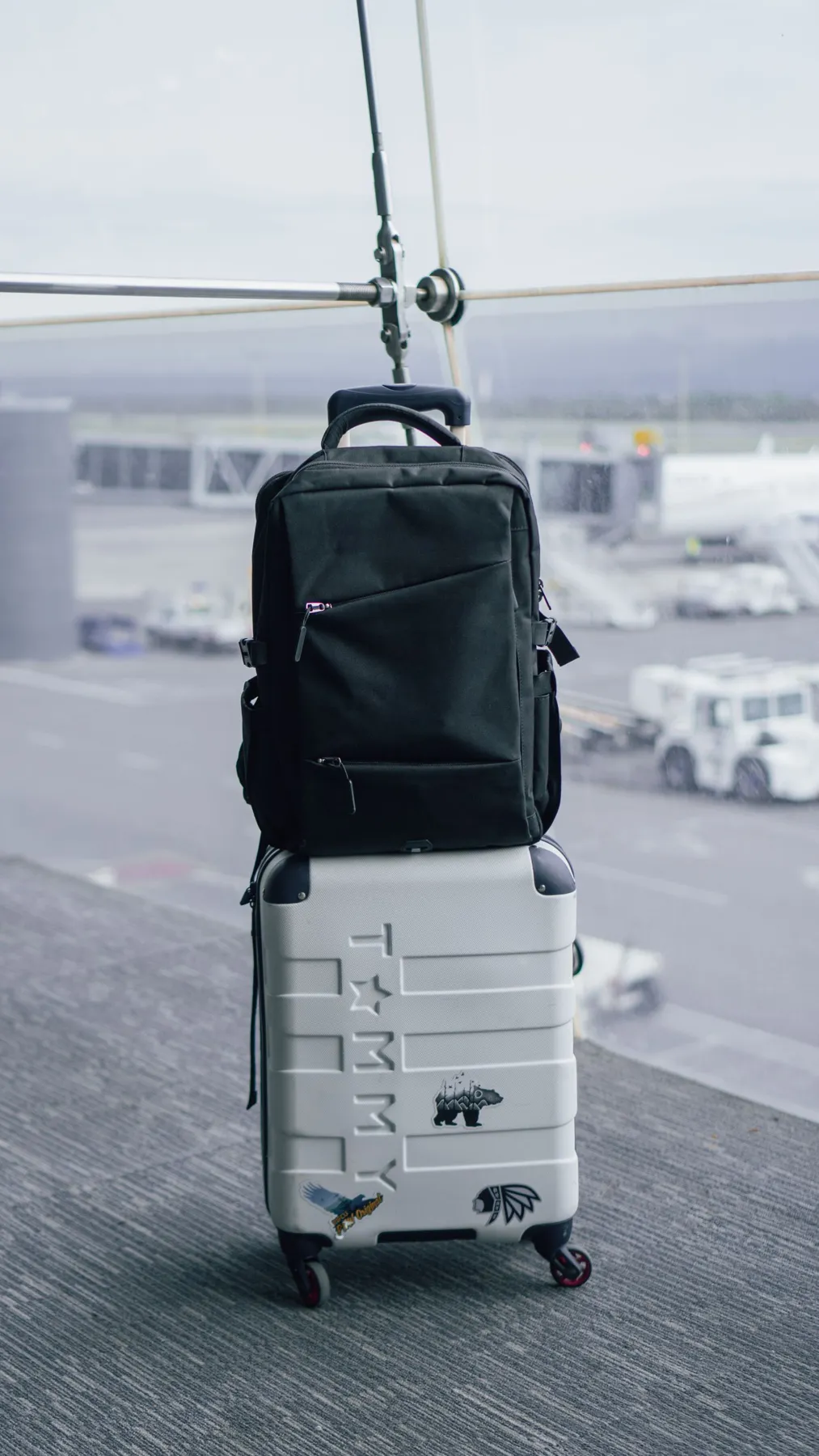
Count the transfers that matter
Write down each change of accommodation and how you will reach it. Include station exits, local buses and the final walk, not just the main train or flight. Three nights in one place followed by a taxi to another hotel is a different luggage problem from changing towns every morning by regional transport.
Mark where stairs or rough surfaces are likely and where luggage storage is available. A backpack may be convenient when you must carry everything over steps, but only if the load is comfortable. A suitcase may reduce the weight on your body along smooth routes, while demanding more lifting at each obstruction.
Test with the same belongings
Pack an identical set of items into each option if you have access to both. Walk for a realistic period, then lift, set down and reopen the bag. Notice how much effort goes into finding one item. A backpack with a full opening may be easy to live from, whereas a narrow top-opening design may require more unpacking.
Do not compare an almost-empty backpack with an overfilled suitcase. Weight is often the deciding variable, and adding a backpack does not make a heavy load disappear. If you have pain, mobility limitations or difficulty carrying weight, prioritize what works for your body rather than an image of how a traveler should look.
Two routes with different answers
Consider a traveler spending four nights in one hotel, taking a direct airport train and walking along a level street to the entrance. A wheeled case may be convenient even if the rest of the trip involves many miles on foot, because the main luggage stays in the room. Buying a large backpack for the sightseeing does not follow from the itinerary; a small day bag handles that job.
Now consider three short stays with steps at each entrance and several local-bus transfers. A well-fitted backpack with a modest load may reduce repeated lifting and awkward wheeling. But if that same traveler cannot comfortably carry the weight, the theoretical advantage disappears. A luggage-transfer arrangement, a different base or fewer possessions may be a better change than switching bag type alone. These examples show why the number of destinations is only one part of the decision.
Think about the hours between rooms
On transfer days, check-out and check-in times may leave a gap. Confirm storage arrangements rather than assuming you can leave luggage at either end. Carrying a full backpack through an afternoon of museums is very different from wearing it for a ten-minute station walk. Some venues also restrict large bags.
A small separate day bag can serve both options, provided it does not make the total setup unmanageable. Keep the number of loose pieces low enough to count quickly before leaving a train. If neither main bag feels suitable, simplify the route or reduce the packing list before buying a hybrid that adds both wheels and a harness you may rarely use.