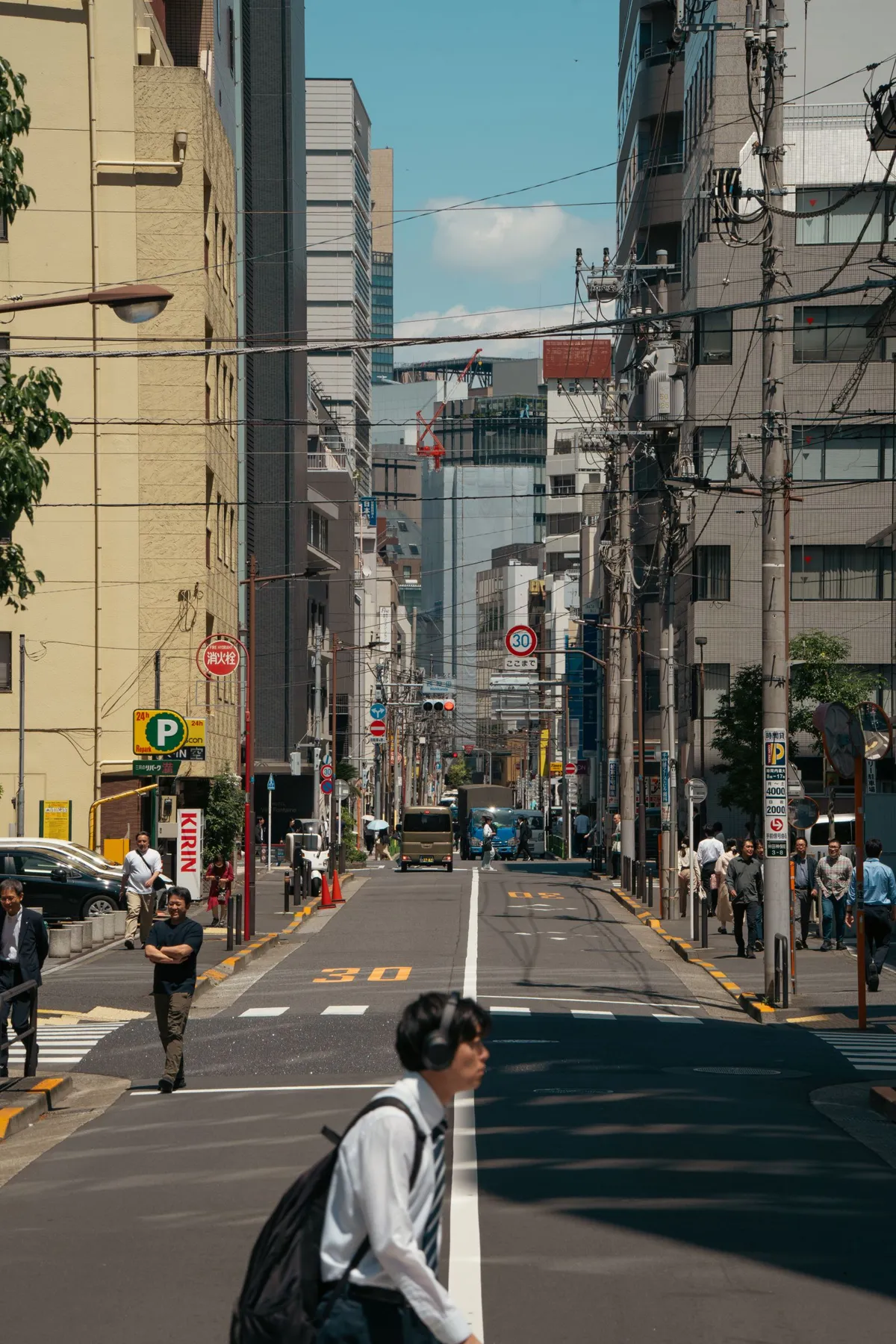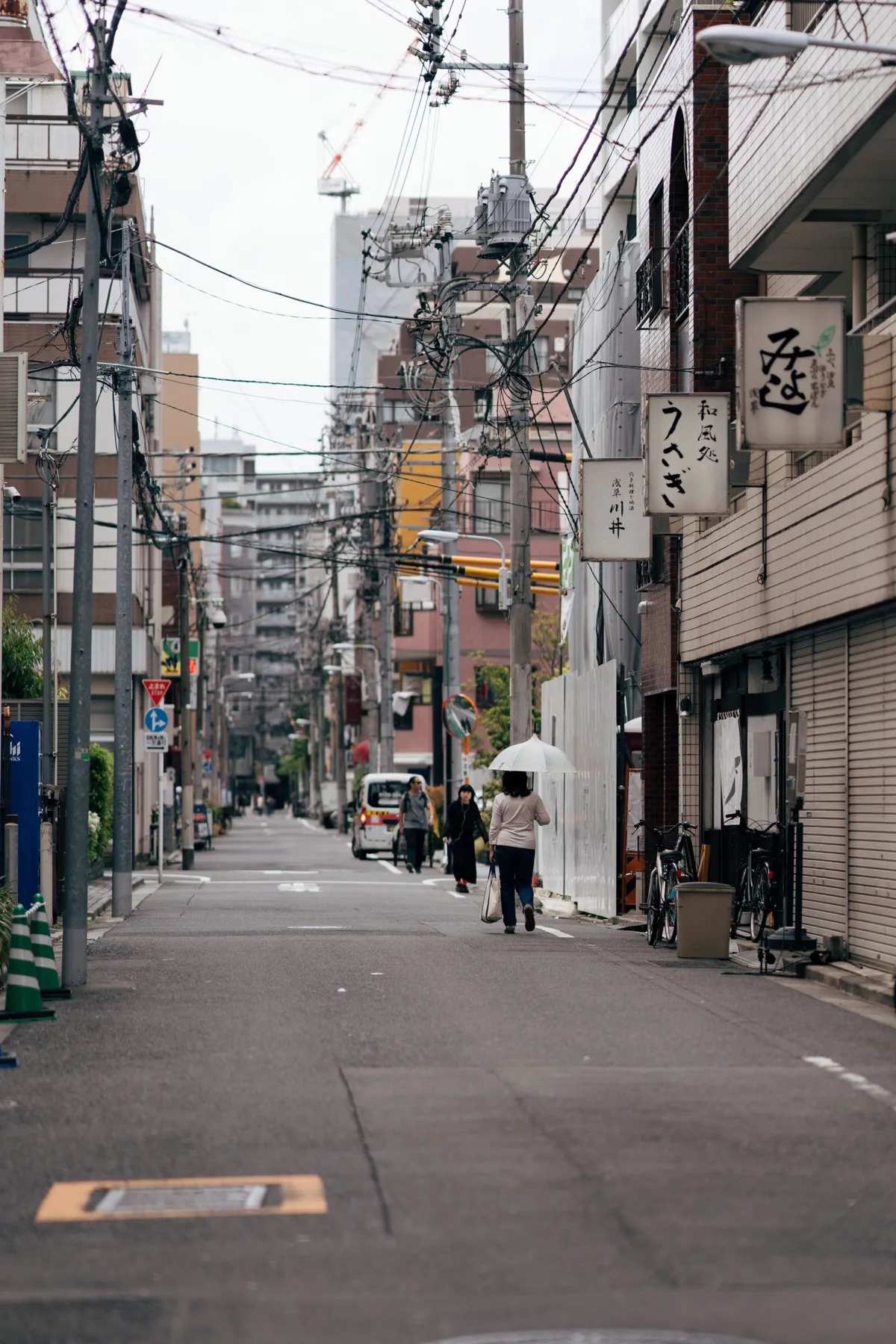
An eastern day and a western day
Asakusa provides a useful eastern introduction around Sensōji, surrounding shopping streets and the Sumida River. Begin with a modest loop rather than trying to connect every temple and tower visible on a map. Religious sites remain places of worship, so follow signs about photography, keep entrances clear and observe how visitors move through the grounds.
Ueno offers museums, park space and shopping streets with a different character. It can fit another eastern outing, but do not assume that a major museum is a quick stop before several other districts. Choose the collection that interests you and use the park or nearby streets as the rest of the day. The transfer between areas is only one part of the time required.
On the western side, Shibuya and the areas around Harajuku or Omotesandō provide another set of streets and interests. Select a small group rather than ending every Tokyo day with an automatic trip to Shinjuku. Famous crossings are functioning intersections: take photographs without stopping in the roadway or obstructing people going about their day.
The station exit is part of the destination
Large stations can have many exits leading to very different streets. Save the exit number or name that suits your destination, not only the station name. Allow time to find the correct platform, especially when changing between operators. A route that looks like a single dot on a schematic map may involve a substantial walk inside the complex.
When meeting someone, agree on a precise public location rather than simply saying the station. Keep an offline copy of the accommodation address and the name in Japanese if available. These small preparations reduce the need to stop repeatedly in a busy concourse while searching for a signal or reading a long booking email.
A reservation should not control the entire city
If a particular museum, observation deck or restaurant requires booking, place it in the center of a day focused on that area. Avoid building a sequence of tightly timed appointments on opposite sides of Tokyo. Even when trains are frequent, the walks to and from platforms, entrances and security lines add up.
Leave one meal flexible within the neighborhood you are exploring. A queue at a famous restaurant is a choice, not a requirement for understanding the city's food. Read the menu, follow the venue's ordering conventions and consider whether the wait fits your appetite and schedule. A simple meal nearby can preserve the afternoon you actually wanted.
Make room for ordinary streets
Shopping arcades, smaller commercial roads and public parks can be as useful to an introductory visit as a major attraction. Choose one area where you can wander without another immediate train journey. Respect residential privacy, avoid photographing people at close range without permission and do not treat an unfamiliar custom as a performance for visitors.
Rain favors a smaller radius with an indoor collection or shopping area, but covered spaces can be busy too. In summer heat, reduce prolonged exposed walking and take breaks. Tokyo's scale does not need to be conquered. A few neighborhoods explored with attention provide a better first impression than a long list of station names reached only to leave again.