Ask for the complete route
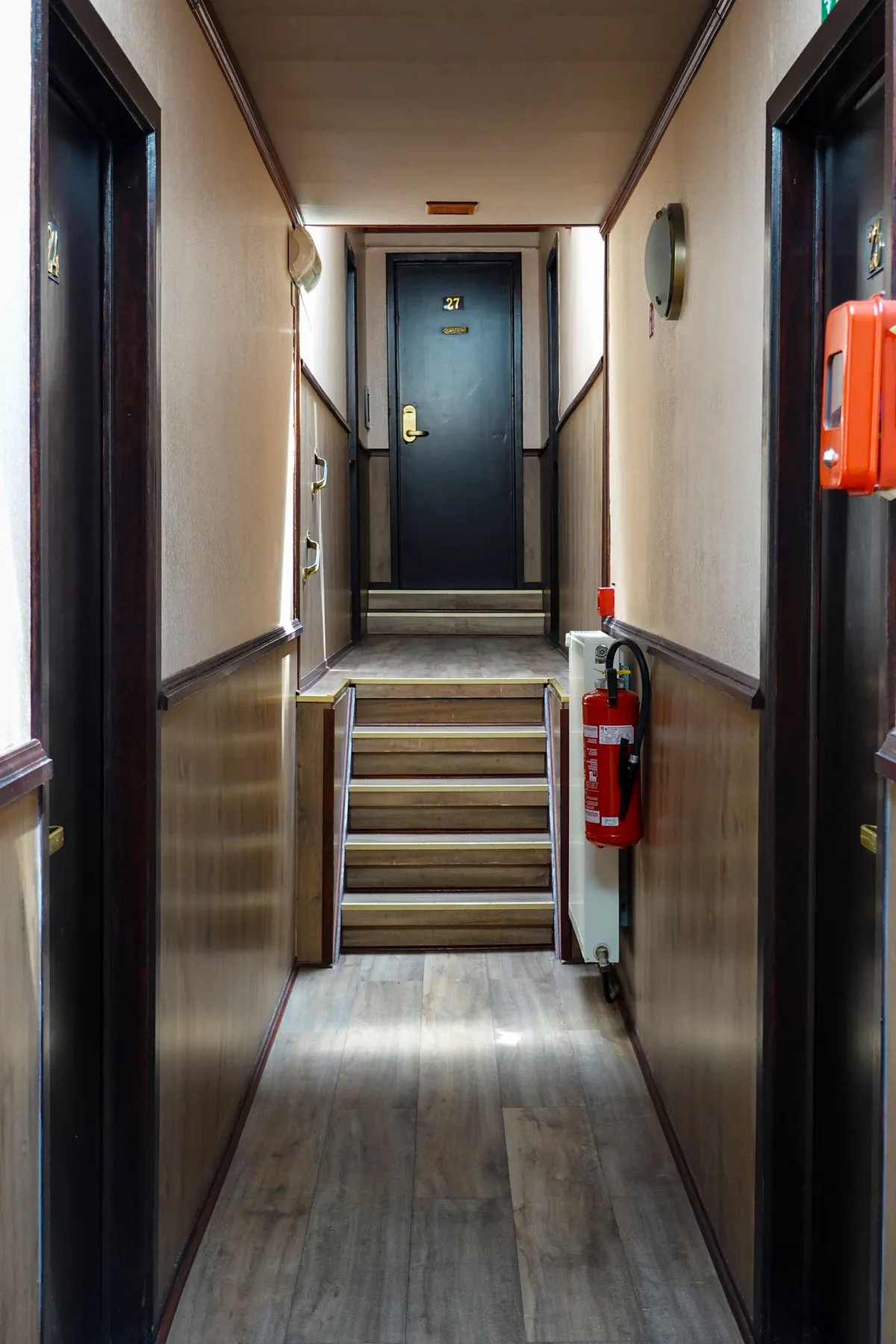
Start with the sidewalk. Are there steps at the building door? Does the elevator begin at ground level, and does it stop on the actual room floor? A lift between the first and fourth floors does not solve the stairs needed to reach the first.
If you need specific access rather than merely easier luggage handling, ask for measurements and photographs. Door width, lift size and bathroom layout can matter independently. Airbnb's accessibility guidance, for example, encourages guests to discuss the particular features they need with hosts rather than rely on a broad label.
Compare the bag with the building
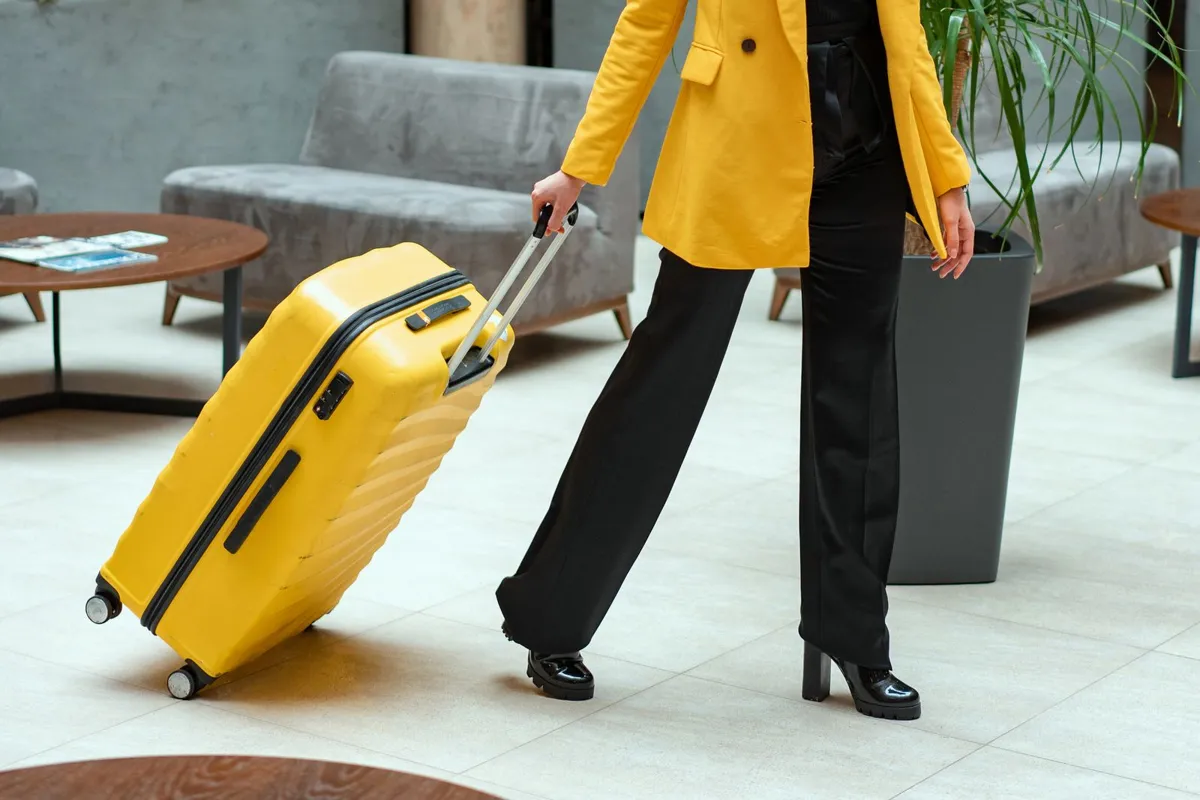
A large rigid case can be awkward in a narrow lift or on a turning staircase. Think about whether you can carry it safely without blocking the passage. Do not plan to balance an overloaded suitcase on an escalator or drag it down a steep flight.
For a short stay, a smaller load may make the property workable. For a longer trip or an essential access requirement, choosing another building can be the better decision. The room's character does not compensate for a route you cannot comfortably manage.
Check the help that actually exists
Ask whether assistance with bags is available at your arrival hour. A small guesthouse may not have staff on site, and a late self-check-in may remove any possibility of help. Do not assume a porter service because the building is called a hotel.
Confirm where a vehicle can stop and how far the bags travel before reaching the entrance. Old-town pedestrian streets can add a carrying section outside as well as inside. Save the property's recommended approach rather than allowing navigation to choose an unusable door.
Plan departure as carefully as arrival
An early checkout may occur before staff are available. Make sure the route works independently and that any lift access is available at that hour. Keep the bag weight manageable for the person who will move it.
When comparing properties, write the access facts beside the price: entrance steps, lift coverage and final floor. That short list turns an ambiguous amenity icon into a decision you can make. It also avoids arriving with expectations the listing never actually confirmed.