Ask what you are actually buying
A retailer can display several legs together without selling them under one transport contract. Look for an explicit statement about through-ticket status, self-transfer arrangements and missed connections. If it is unclear, ask the seller before purchase and retain the answer.
For EU rail travel, the official Your Europe guidance distinguishes through-tickets from individual tickets. Separate-ticket journeys can also fall under particular continuation arrangements. This means neither 'all connections are protected' nor 'nobody will ever help' is a reliable universal statement. Consult the rules for the operators and journey involved.
Time cannot replace ticket conditions
A generous connection buffer reduces exposure to ordinary delays but does not change the contract. Conversely, buying a through-ticket does not prevent disruption or guarantee a particular seat on the next service. Keep the operational plan and the ticket protection question separate.
Check how frequently an alternative departure runs and whether it requires a reservation. Missing a final train, sleeper or once-daily flight has different consequences from missing a frequent local service. Consider whether an overnight stop would be a better design than an optimistic same-day connection.
Compare two realistic arrangements
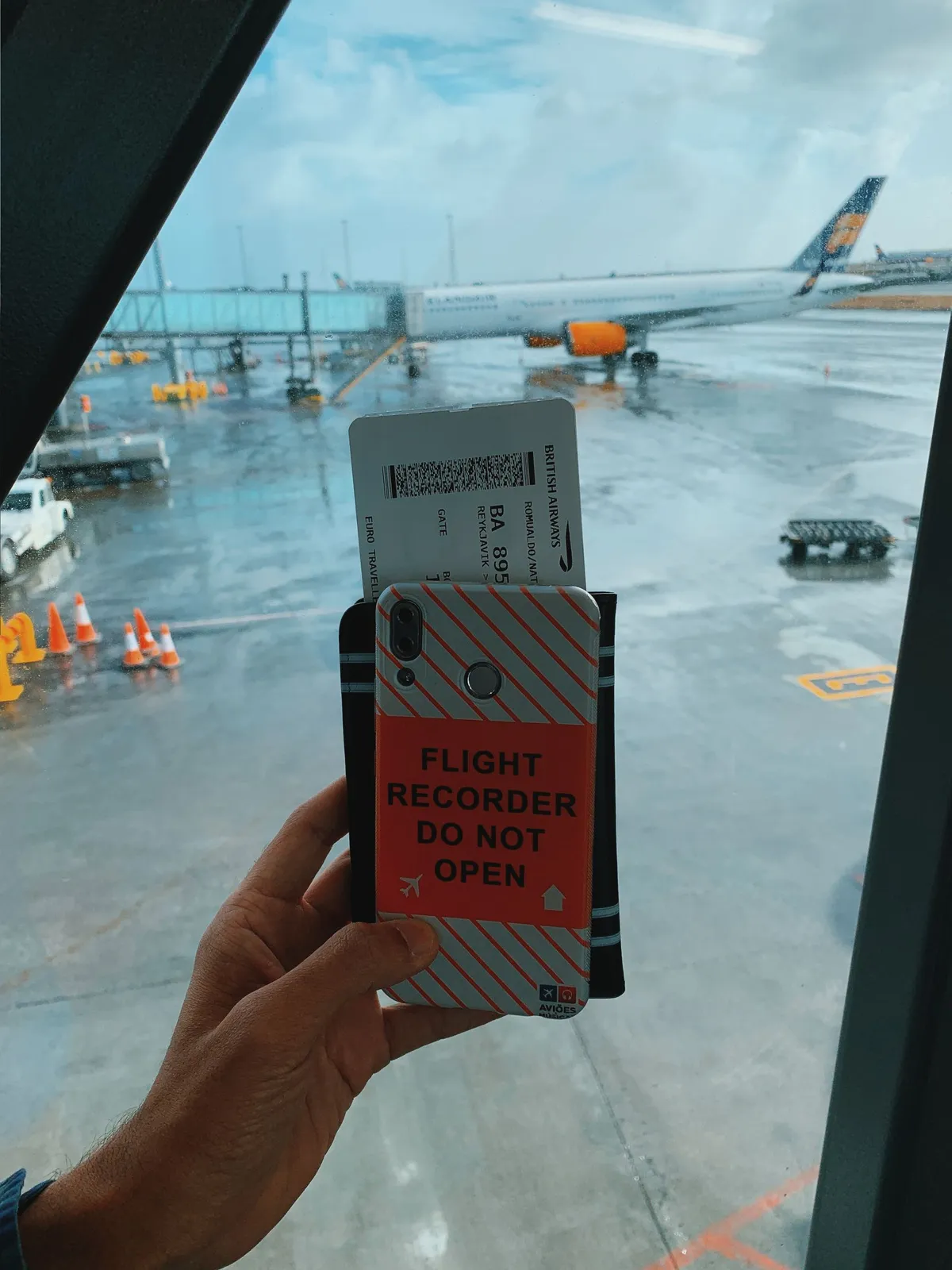
Consider a traveler arriving by one airline and departing on an unrelated ticket later the same day. If the first flight is delayed, the second booking does not automatically move with it. The traveler must understand baggage collection, any entry requirements, the next airline's check-in deadline and the cost of a missed departure. A longer stop helps operationally, but it does not turn the bookings into a single contract.
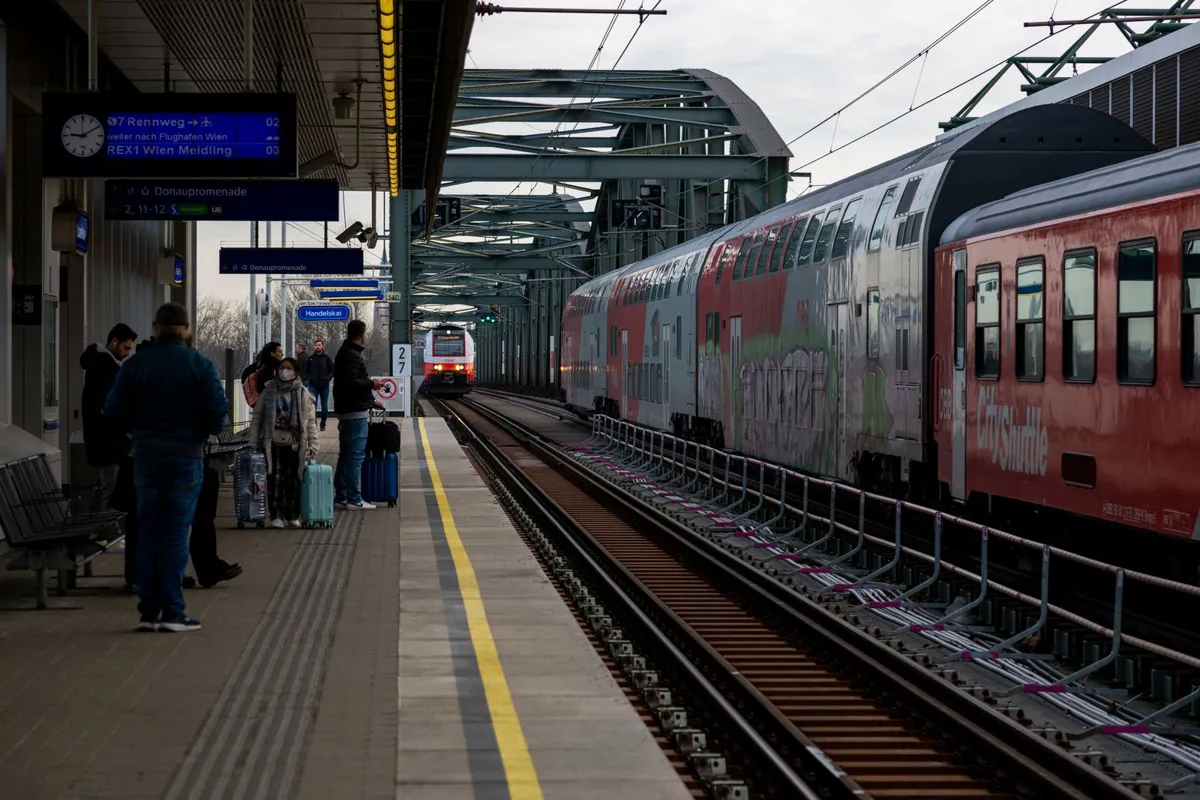
Now compare a rail itinerary explicitly sold as a through-ticket with an alternative assembled from separate fares. The through-ticket may provide a defined continuation process under the applicable rules, while the separate option needs its own check for operator agreements. Ask the seller the precise question before choosing: what happens to the onward leg if the first service is late?
Neither example means that separate bookings are always a mistake. A traveler spending a night between legs and keeping the following day flexible may accept the arrangement comfortably. Someone heading straight to a once-only event has much less room to absorb failure. The useful comparison is between the saving and the consequences for this trip, not a universal minimum number of hours.
Include the transfer's hidden tasks
For a self-connection between flights, you may need to collect baggage, enter the country where applicable, move terminals and check in again. Confirm entry-document requirements through official authorities rather than assuming you can remain airside. Heathrow publishes different guidance for terminal transfers and connecting flights, illustrating why the route matters.
For rail, a change of station or operator can add gates, local transport and ticket checks. Read any boarding cutoff, not only the departure time. The time printed between two services is not necessarily free time.
Plan the response before a delay
Save both operators' contact details and the retailer's booking references. If the first service is delayed, ask for current guidance before purchasing replacements or abandoning the route. Keep receipts and disruption notices, but do not assume every expense will be reimbursed.
Compare the saving with the amount of uncertainty you are willing to manage. Separate tickets can suit flexible trips with several alternatives. They are less attractive when a missed leg would erase the only weekend you have or leave no affordable way to continue.