Separate the famous skyline from the daily route
A first visit often begins with Midtown because its landmarks are familiar. Choose a compact group, such as a cultural stop, a public space and a view of the surrounding buildings, rather than attempting every major observation deck. A skyline view is a substantial paid and timed experience when it involves admission; compare the conditions and location before buying several versions of it.
Central Park is large enough to change the day's scale. Select an entrance and a section that fits your plans, then identify where you will leave. Walking into the park after a museum does not mean you need to cross it entirely. The appropriate route depends on weather, energy and the neighborhood you want for dinner.
Make Lower Manhattan a different day
Lower Manhattan has a street pattern and waterfront setting that differ from the regular grid farther north. Choose one historical or cultural focus and allow time for the surrounding streets. Sites associated with loss or remembrance deserve a respectful, unhurried visit rather than being treated as a quick stop before shopping.
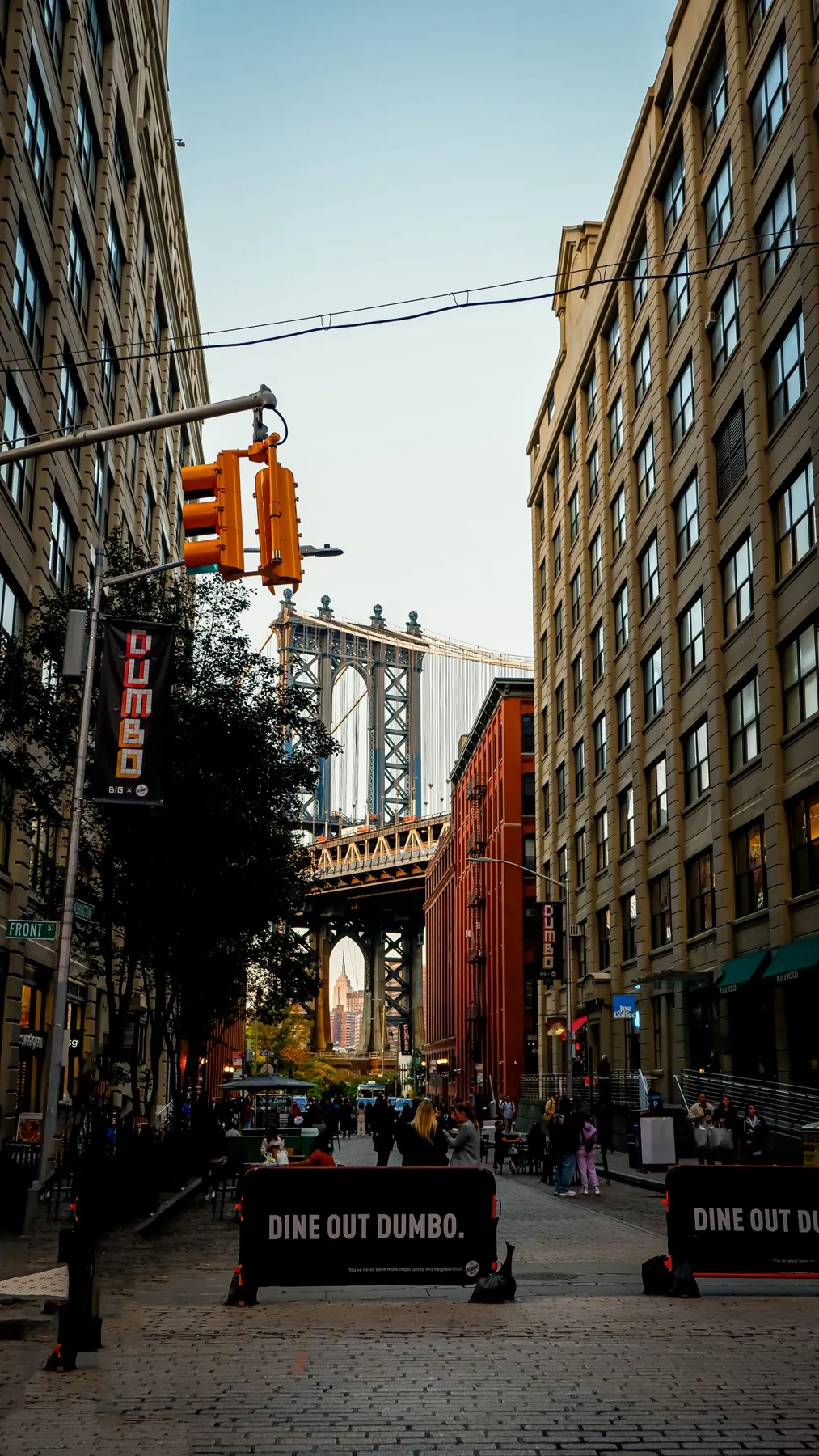
A bridge walk to Brooklyn can be worthwhile, but it is not a negligible connector. Check which pedestrian approach you need, consider weather exposure and decide what you will do after reaching the other side. A meal or a short neighborhood walk is enough; adding another distant borough immediately afterwards can turn the crossing into an endurance exercise.
A borough is not a single neighborhood
Brooklyn and Queens each contain many different areas. Choose a specific destination, such as a museum, a food street or a park, then explore the surrounding blocks. Do not describe a brief visit to one waterfront as having seen all of Brooklyn, or assume that two places in Queens must be a short walk apart.
For a food-led outing, select an area where several options are close enough to compare. You do not need to travel across the city for each meal. Read menus and choose according to your preferences rather than treating a queue as proof of quality. Leave time to sit down, particularly if the rest of the day has involved extensive walking.
Use the subway as a network, not a promise
Check the actual service for your travel day. Express and local patterns, construction changes and different station entrances can affect an otherwise simple journey. Know the direction you need before descending, and investigate elevator access if stairs are a problem. A station on the map does not guarantee an accessible route from street to the train you intend to use.
Keep the final walk from the station in mind when choosing an evening destination. A shorter train ride with a long unfamiliar walk may be less convenient than a direct route to a closer entrance. Save the address of your accommodation offline and keep enough battery for the return journey.
Build a day you can still enjoy at six o'clock
One major reservation, one neighborhood walk and a meal in the same area form a useful starting structure. Add another stop only if you still want it, not because it was saved on a map weeks earlier. In hot, cold or wet conditions, reduce exposed walking and choose an indoor alternative nearby. New York's scale is part of its appeal, but a short trip becomes more personal when some blocks become familiar instead of every hour introducing a new transfer.