Start with the neighborhood's southern edge
Use the area around Square Saint-Louis and nearby streets as a manageable first introduction. Walk a few blocks at a time, allowing space for a café stop and the details of the buildings rather than aiming for every recommended address. Residential staircases and doorways are private spaces, even when they are photogenic.
Continue toward a selected part of Saint-Denis or the streets leading toward Parc La Fontaine. The park can provide a longer pause in suitable weather, but it need not become a circuit completed for its own sake. Decide where lunch fits before the afternoon expands beyond the area you intended to explore.
For rain, identify an indoor cultural stop or spend longer in the shops and cafés you actually want to visit. Do not assume every small business follows the same opening schedule. A neighborhood-focused day works because the stops can be adjusted without a long transit move.
Choose the second day's emphasis
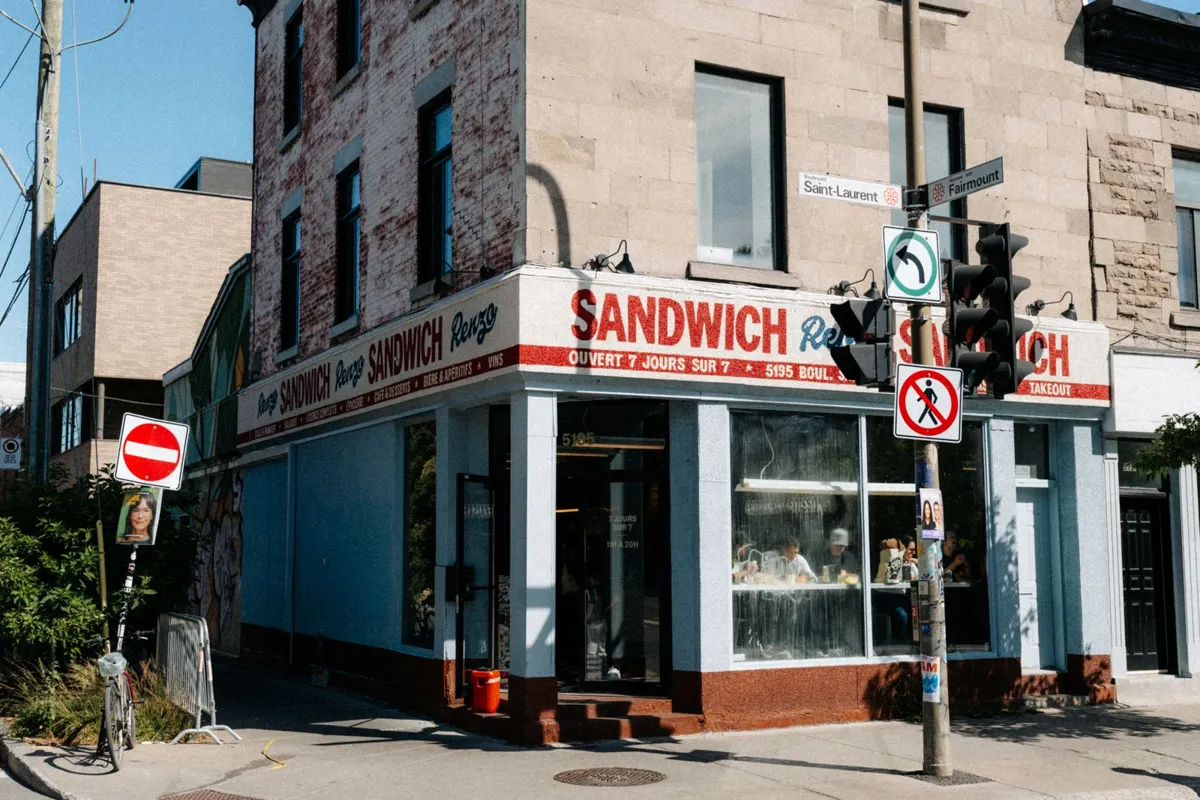
If food, shops and street life are the priority, extend the next day toward Mile End while keeping the route and return connection clear. The official tourism guide places these areas within a broader neighborhood context; do not treat their names as exact walking distances. A few selected streets are enough to create a distinct second day.
If you want the mountain instead, plan that as a real outing with an appropriate approach, footwear and time for the ascent and return. Mount Royal is not a flat continuation of a shopping street. Weather and seasonal ground conditions can change what is comfortable, so consult current local information before choosing paths.
Leave Old Montreal for a separate choice
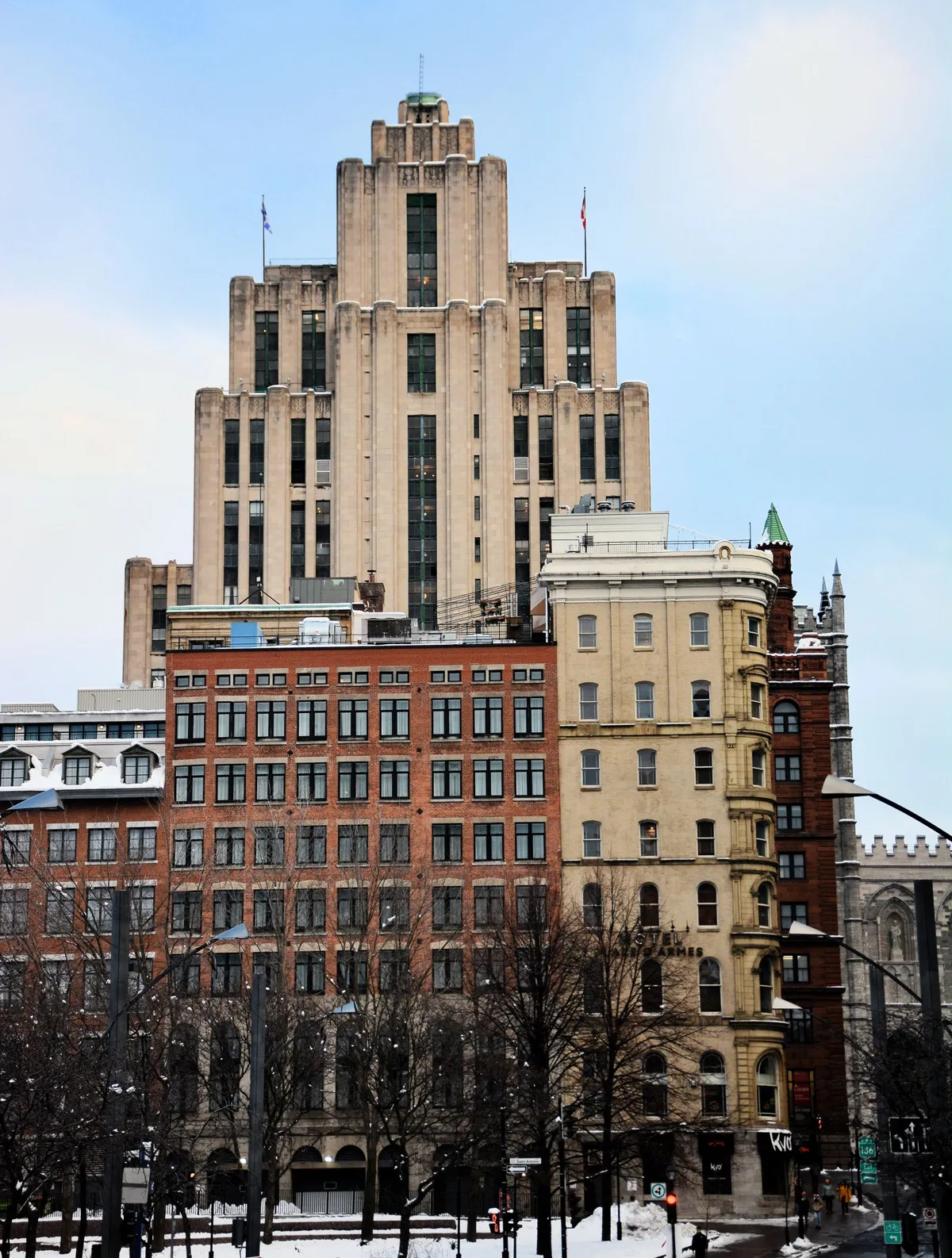
Old Montreal and the waterfront have a different setting and can be substituted for one of these days if that is your stronger interest. Adding them to the end of an already full Plateau day can turn an unhurried weekend into a string of transfers. Pick the version you want rather than treating both as compulsory.
Before the final afternoon, know where your luggage is and how you will reach the departure point. In winter especially, leave flexibility for conditions underfoot and transit changes. The value of a smaller map is not just fewer miles; it is having enough time to notice a neighborhood without constantly checking whether you are late for another one.