Read the day, not just the high temperature
Look at the expected morning and evening conditions as well as the daytime high. Wind, rain and the amount of time outdoors change what feels comfortable. A trip spent moving between indoor attractions needs a different plan from a long waterfront walk with few places to stop.
Use the forecast close to departure to refine a basic plan rather than rebuilding your wardrobe for every fluctuation. Choose a comfortable next-to-skin layer, an additional layer for warmth and suitable outer protection when needed. The individual pieces should also make sense when worn separately.
Make the layers physically compatible
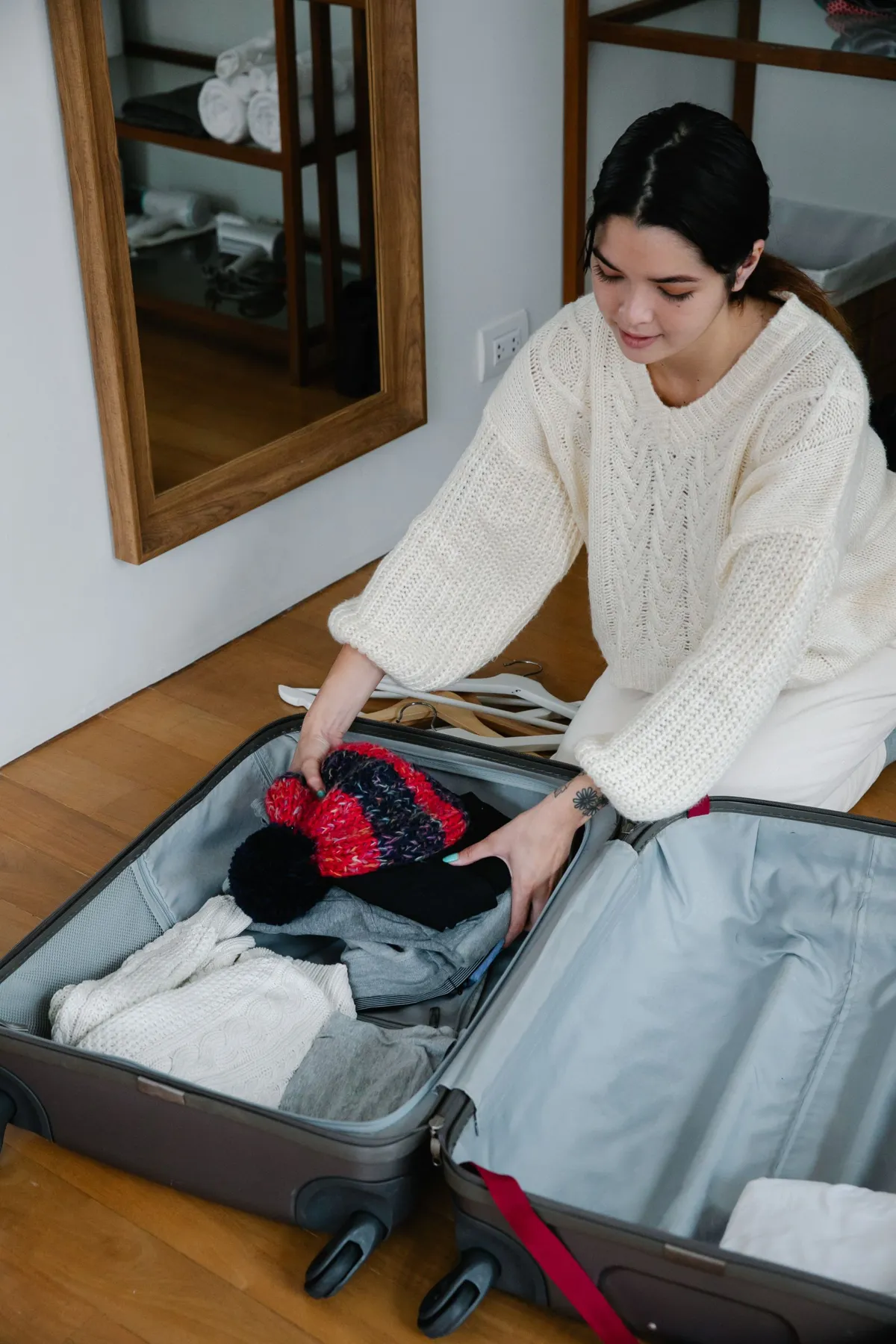
Try the complete combination before packing. Sleeves should not bunch up inside each other, and the outer layer should close without compressing the layer underneath. Check movement with a bag on your shoulders. Two garments that fit independently can feel restrictive when combined.
Think about how easily you can remove one piece in a busy place. A full-opening layer may be simpler than pulling a sweater over your head while holding luggage. If you choose a pullover, give yourself somewhere to put the bag down. Small usability details matter when you repeat the change several times in a day.
Separate changing temperature from heavy rain
A cool dry day and a mild wet day are different problems. Adding a second warm sweater does little to protect clothing from a prolonged shower, while a substantial waterproof shell may feel excessive in a warm indoor gallery. Identify which function each layer performs instead of collecting garments that all provide roughly the same warmth.
For an exposed morning walk followed by an indoor afternoon, plan a place to remove and store the outer layer before entering the attraction. If the bag will be checked, keep essential small items accessible in an appropriate pocket. The clothing system should support the sequence of the day, including the transitions, rather than only looking suitable in the hotel mirror.
Plan where the removed layer goes
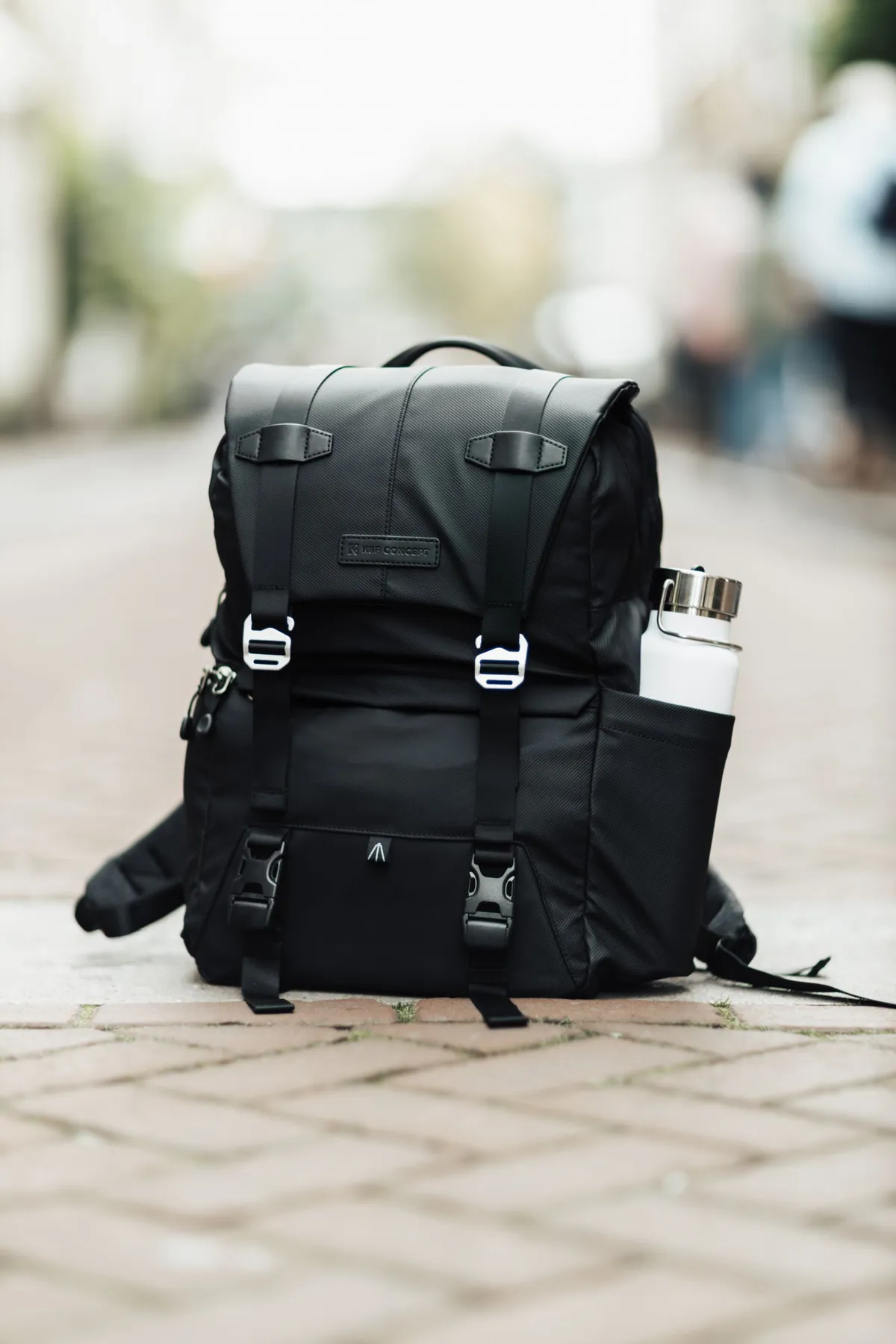
A layer that spends half the day in your arms is not necessarily a successful packing choice. Test whether it fits in your day bag alongside the bottle and other items. Avoid attaching it loosely where it can catch on doors or be left behind. If it must be carried outside, secure it and check it when you move.
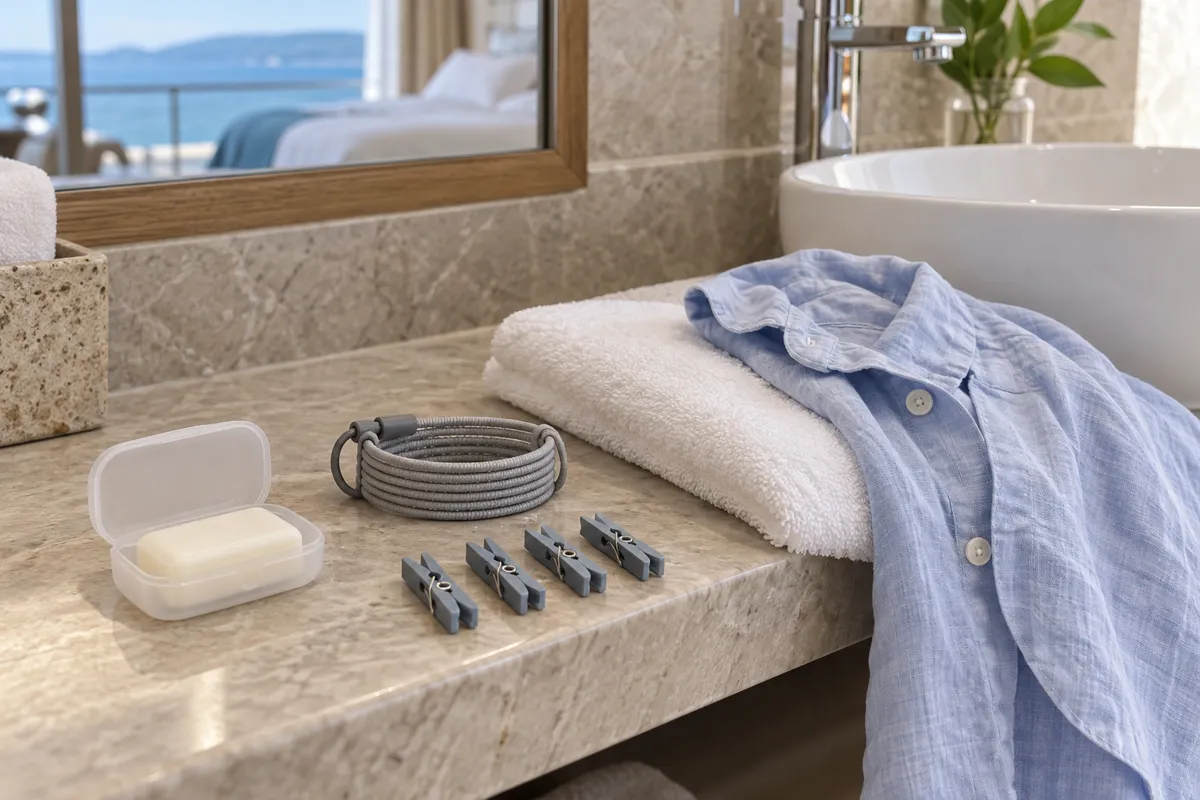
Drying time matters as much as packed size on a multi-day trip. Follow garment care instructions and allow wet items to air rather than sealing them with clean clothes. Bring fewer pieces that work together instead of several bulky alternatives competing for the same role. For unusually severe conditions, consult destination-specific weather guidance and prepare for that environment rather than relying on a general city layering plan.