Choose the meal before trimming everything else
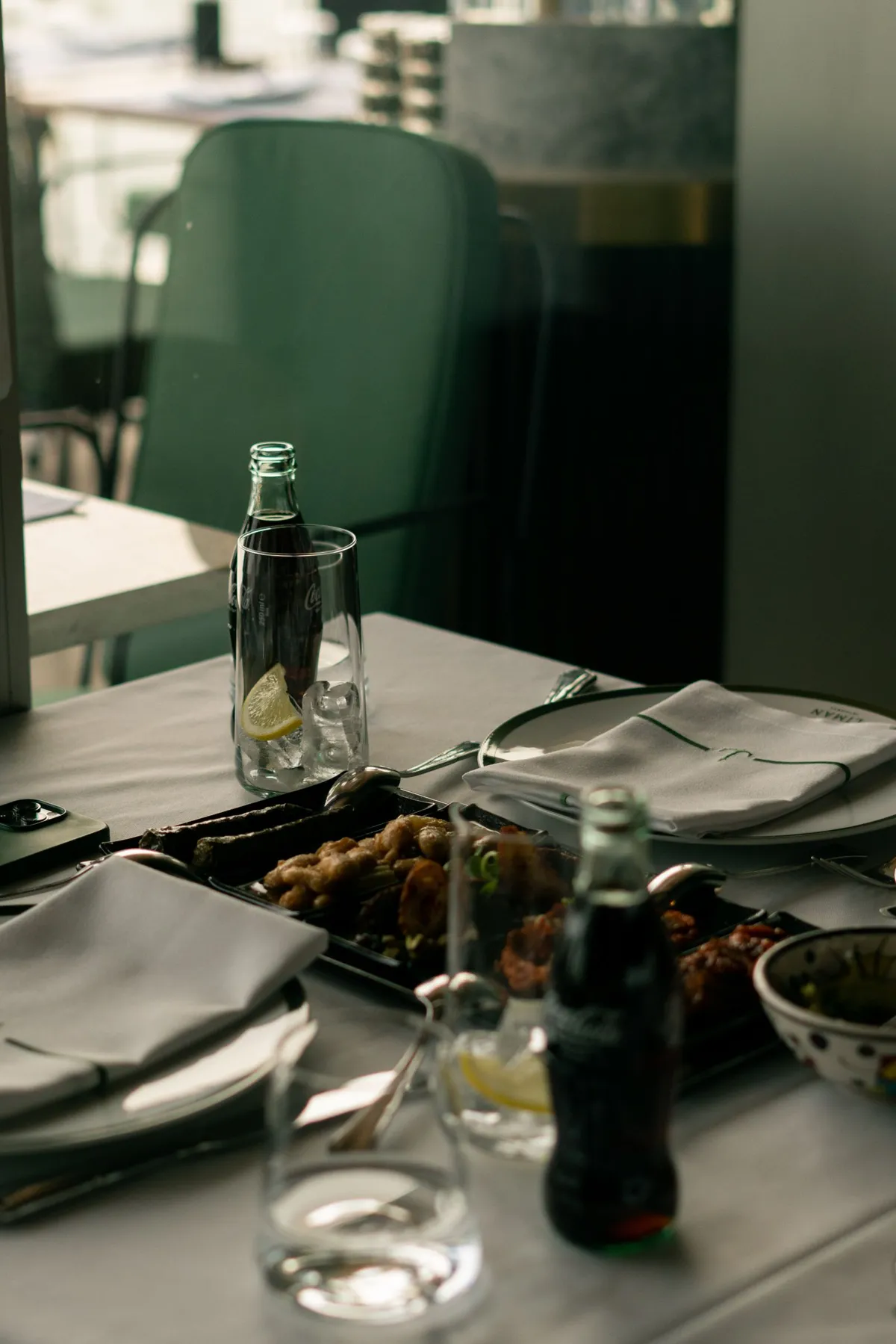
Identify what makes the special meal important: a cuisine, a particular setting or simply time together at a table. Look at the restaurant's current official menu and booking terms. Include the items you are likely to order rather than budgeting only for the least expensive main course.
Check whether a set menu is required, whether drinks are separate and whether the booking has a cancellation condition. Do not assume a menu photograph found elsewhere is current. If the total does not fit, choose a different meal rather than relying on a vague hope of spending less once seated.
Give ordinary meals a workable pattern
A bakery breakfast, a simple lunch and a modest dinner can create room for a larger meal, but the pattern should fit your appetite and daily routes. An included hotel breakfast may help if you will actually eat it; it adds little value if you leave before service.
Use groceries selectively for food you can store and eat appropriately. A room without suitable facilities is not a kitchen, and buying ingredients that go unused is not a saving. Avoid turning every meal into a long search for the lowest price.
Use a concrete allowance
Imagine an illustrative four-day food budget of $240 for one person. Reserving $90 for one special dinner leaves $150 for the other meals and snacks. Write those remaining meals into the plan to see whether the allowance feels plausible. These are hypothetical numbers, not an estimate for a particular destination.
If the remaining amount looks uncomfortable, adjust the special meal or the total. Do not count on skipping meals after long sightseeing days. The calculation should make the trip easier to enjoy, not turn food into a daily test of restraint.
Avoid unnecessary detours
An inexpensive lunch across town may cost more once transport and time are included. Look for ordinary food options near the day's route, and keep one convenient fallback for a delayed museum visit or late arrival.
Check public-space rules if you intend to picnic. Paris publishes park information covering opening hours and permitted uses, illustrating why a pleasant green patch is not automatically an all-hours dining area. A balanced food plan leaves room for both a special table and the unremarkable meals that keep the day running.